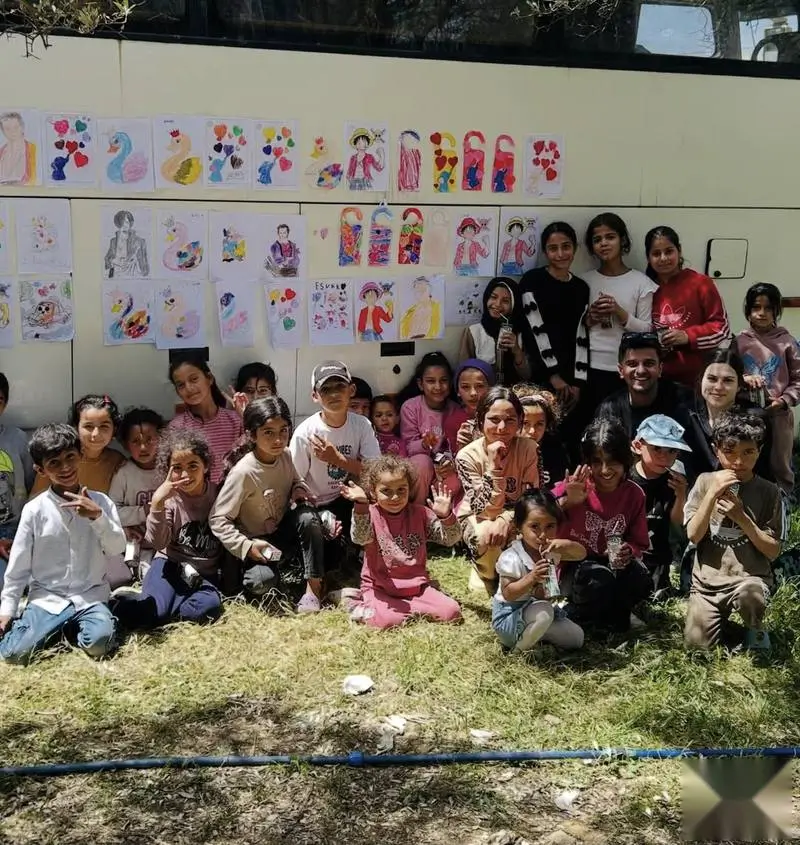

Many children in İzmir's farming settlements had never set foot in a school. Under Ali's leadership, Imece took lessons to them: tents set up in villages where Syrian agricultural workers live. Hürriyet Daily News reported on the classes in Çamanönü village in the Menderes district, where younger children started with painting and children aged 7 to 12 learned Turkish and maths. That work grew into Back to School, which prepares children for the classroom and helps families with enrolment. 400 children have been enrolled through the programme.


Ali also started the Solar Age project, which trains refugee and migrant women as solar technicians. Imece's instructors trained in India for six months in a joint programme with Barefoot College, then passed that knowledge on in İzmir. The women — the "Solar Ladies" — learn basic electricity, soldering, solar panel making and home installation.
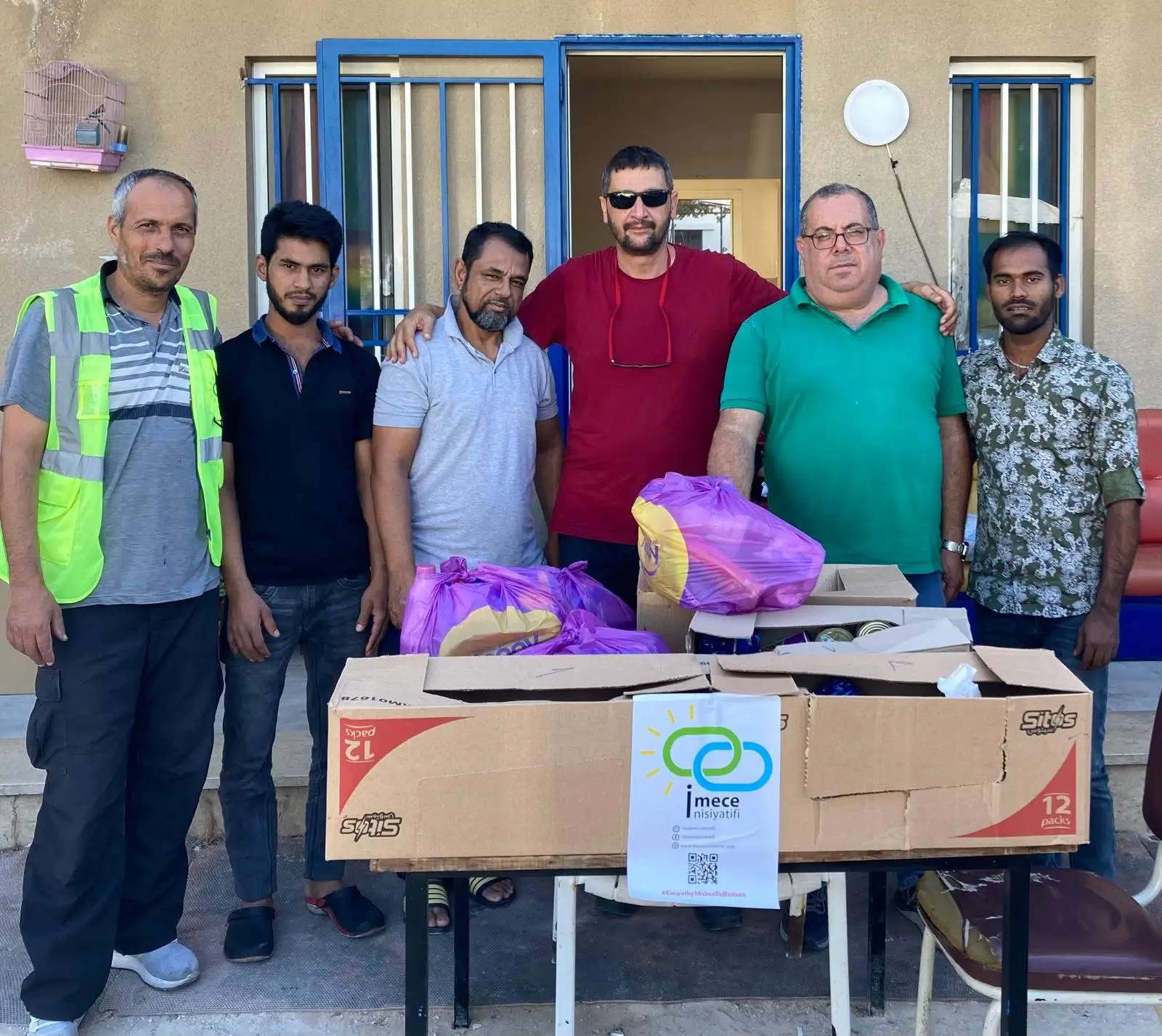
Speaking to The Borgen Project, Ali said: "We wanted to create a community free of political and religious considerations." In practice, Imece helps people other organisations often cannot reach — families registered in another province and people without papers — and nationality or legal status is never a condition for its education programmes. Imece's own motto puts it simply: give what you can, take what you need, and care for each other.