The shift toward a low carbon economy isn’t just a technical challenge, it’s a talent challenge. Right now, the clean energy sector is leaving half the world’s talent pool on the sidelines. This is exactly the problem that clean energy education and empowerment initiatives are working to solve, and understanding this movement offers valuable lessons for any organization committed to inclusive, sustainable development.
Clean energy education and empowerment refers to a global effort to close the gender gap in energy professions by giving women equal access to training, mentorship, recognition, and leadership opportunities. This movement, championed under the Clean Energy Ministerial framework since 2010, is built on a simple but urgent idea: the transition to a clean energy future will only succeed if it harnesses all possible talent, not just half of it.
The movement is built around five focus areas:
The numbers tell a clear story. Women make up only about 20% of the traditional energy workforce, and even in renewable energy, often seen as a more progressive sector, representation sits at just 35%. That gap persists despite a growing body of research showing that diverse teams and gender balanced boardrooms consistently outperform less diverse ones, both financially and organizationally.
The stakes are enormous. IRENA’s Renewable Energy and Jobs Annual Review projects the clean energy sector could grow from 9.8 million jobs to 40 million jobs by 2050. Meanwhile, the McKinsey Global Institute estimates that advancing gender equality more broadly could add $12 trillion to global GDP by 2025. Clean energy education and empowerment programs exist precisely to make sure women are positioned to fill and lead this coming wave of opportunity, rather than watching it pass them by.
Programs advancing clean energy education and empowerment have built an international network of more than 60 women leaders from 11 countries, including Canada, Germany, Japan, Saudi Arabia, Sweden, the United Kingdom, and the United States. These leaders don’t just hold titles; they actively mentor other women, build cross border partnerships, and advocate for policy change within their home countries.
In 2017, this work was reorganized under a stronger international collaboration framework to give it a more durable institutional backbone. Since then, participating countries have accomplished the following:
As one ambassador for the cause put it, women in clean energy are already developing the solutions and technologies needed for a low carbon future, and the task now is making sure they have every opportunity to succeed.
What makes this approach instructive isn’t just its focus on energy. It’s the underlying principle that lasting change requires both education and empowerment working together. Access to knowledge and skills means little without the mentorship, recognition, and structural support needed to act on them. Empowerment efforts, in turn, fall flat without the education and data to back them up.
This is a principle that extends well beyond the energy sector. Any organization working toward equity, whether in STEM fields, community development, or humanitarian aid, succeeds by pairing education with real pathways to opportunity and leadership.
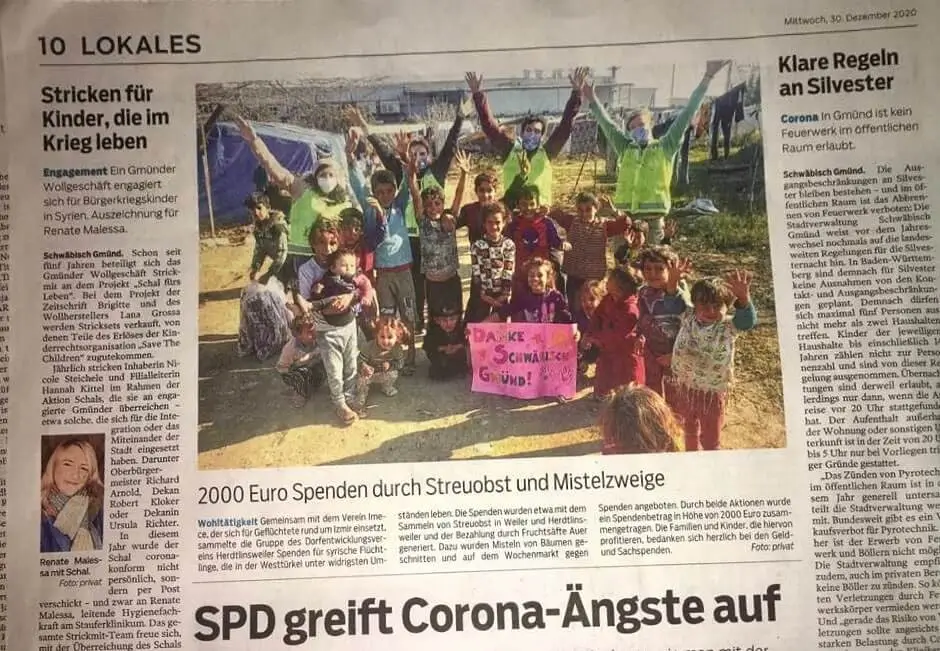
Imece Insiyatifi is a Turkey based charitable organization that has been supporting displaced people and refugees in turkey since 2014. True to the collectivist spirit behind its name, Imece builds education and empowerment programs designed to create sustainable, fair change for the communities it serves, from school supplies and psychosocial support for refugee children to food assistance for displaced families. Founded on the belief that empathy is what makes us human, Imece works to give people of every background the opportunity to contribute their skills and time to help others in need. Just as global clean energy education and empowerment efforts show that closing gaps in access and opportunity strengthens an entire industry, Imece’s work shows that the same principle strengthens entire communities, one supported family, student, and volunteer at a time.