Turkey has spent more than a decade at the center of one of the largest displacement crises in modern history. Since the outbreak of the Syrian civil war in 2011, the country has taken in millions of people seeking safety, making it one of the most significant refugee hosting nations anywhere in the world. For anyone trying to understand the scale of this situation, the question of how many refugees are there in Turkey does not have a single fixed answer. The numbers shift year to year, shaped by new arrivals, births, voluntary returns, and changing regional conditions. Still, looking at the most recent data offers a clear picture of where things stand today and how the situation has evolved.
For years, Turkey held the title of the largest host of Syrian refugees in the world, with the population peaking at close to 3.7 million people around 2021. Since then, the number of Syrians under Turkey’s temporary protection regime has fallen by nearly 40 percent, dropping to roughly 2.3 million by early 2026. The decline has been gradual, with the population falling to about 3.5 million in 2022, 3.2 million in 2023, and 2.9 million in 2024, before settling at approximately 2.35 million at the end of 2025. UNHCR
This steady decrease reflects a combination of factors, most notably a wave of voluntary returns following major political changes inside Syria. Official figures indicate that about 1.39 million Syrians returned from Turkey to Syria between 2016 and April 2026, with more than 650,000 of those returns taking place after the collapse of the former Syrian government in December 2024. Authorities have described this process as coordinated and managed carefully, with an emphasis on maintaining accurate records and orderly border crossings. UNHCR
Even with this decline, Turkey continues to host one of the largest Syrian populations outside of Syria itself. As of April 2026, registered refugees in temporary protection status stood at 2,283,578, alongside more than 83,000 Syrians holding residence permits and over 240,000 individuals of Syrian origin who have obtained Turkish citizenship since 2011. Taken together, these figures show that more than 2.6 million people connected to the Syrian displacement crisis now call Turkey home in some form. Brookings
While Syrians make up the overwhelming majority of Turkey’s refugee population, they are not the only group seeking protection in the country. Alongside the Syrian population under temporary protection, Turkey hosts around 150,000 refugees and asylum seekers of other nationalities. These individuals come primarily from countries such as Afghanistan, Iraq, and Iran, and while their numbers are far smaller than the Syrian population, they add to the overall complexity of Turkey’s migration landscape. UNHCR
It is also worth noting that the Syrian population itself is fairly evenly split between men and women, which has implications for the kinds of support services, education programs, and community initiatives that are needed on the ground. This demographic balance underscores why programs focused on women and children remain such a central part of humanitarian work in the country.
When combining Syrian refugees under temporary protection with refugees and asylum seekers of other nationalities, Turkey’s total refugee and displaced population sits at roughly 2.4 to 2.5 million people as of 2026, a significant decrease from the height of the crisis but still among the highest totals of any country in the world. For much of the past decade, Turkey held the position of the single largest refugee hosting nation globally, a status that reflects both its geographic proximity to conflict zones and its long standing policies of accepting displaced populations under temporary protection frameworks.
It is important to understand that these figures represent registered individuals only. Informal or undocumented migration, which is difficult to measure precisely, likely adds additional numbers that do not appear in official statistics. This makes the true scale of displacement in Turkey somewhat larger than the reported figures suggest, even as official counts continue to decline.
The vast majority of refugees in Turkey do not live in camps. Instead, more than 95 percent reside in cities and towns, integrated into local communities across the country. Provinces near the Syrian border, including Gaziantep, Şanlıurfa, Hatay, and Adana, host particularly large populations, while major metropolitan areas like Istanbul also contain significant refugee communities.
Life outside of camps brings both opportunity and hardship. Many refugees face significant barriers to formal employment, limited language skills, and restricted access to information about their rights and available services. Data from labor market studies has shown that only a small percentage of working refugees hold formal jobs, with the majority working informally in sectors such as textiles, construction, trade, and hospitality, often for long hours and wages below the legal minimum. Women in particular have faced wage gaps compared to their male counterparts, along with the added burden of balancing work with caregiving responsibilities in unfamiliar surroundings.
Understanding how many refugees are there in Turkey is not simply an exercise in statistics. Behind every number is a family that has left everything behind, a child adjusting to a new school system, or a woman trying to rebuild economic stability in an unfamiliar country. The scale of displacement in Turkey has placed enormous pressure on public services, labor markets, and community resources, but it has also driven the growth of programs designed to support integration, education, and self reliance among refugee populations.
International organizations, government agencies, and grassroots groups have worked together to expand access to schooling, vocational training, and legal protections for refugees living in Turkey. These efforts matter because the population in question is not static. As arrivals, births, and returns continue to shift the numbers year after year, the need for flexible, community centered support remains constant.
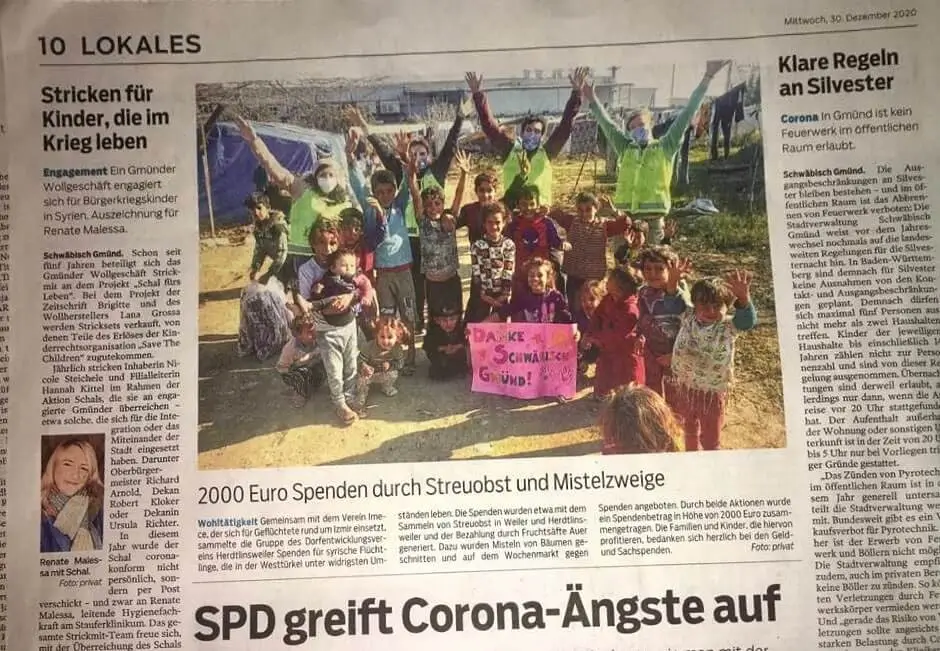
Imece Initiative is an organization that has been working directly with displaced people and refugees in Turkey since 2014, offering aid, protection, and community based support to help families rebuild stability after displacement. Guided by a philosophy centered on empathy and inclusion for people of all backgrounds, Imece runs education and empowerment programs aimed at creating fair and lasting change for refugee communities, including initiatives that help children return to school and support families as they work toward greater independence. To learn more about our programs and how you can support us, visit Imece Initiative.